 English
 Русский

Tour Packages
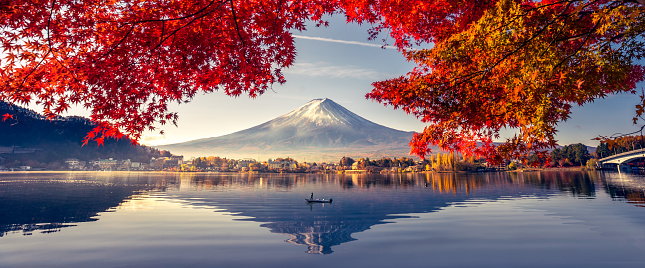
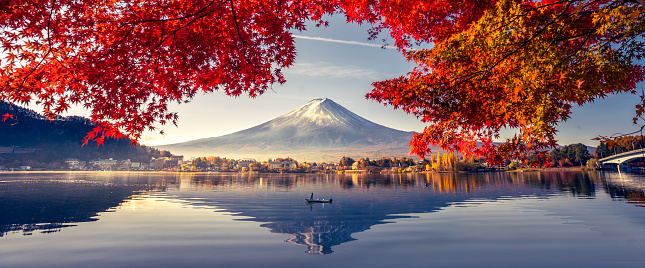
Japan in autumn colors
 Tour start date(s):
|
12-10-2026, 26-10-2026 |
 Duration:
|
10 days / 9 nights |
 Location:
|
Tokyo (arrival, 4 nights) - Nikko - Mount Fuji - Kyoto (4 nights) - Nara - Arashiyama - Osaka (1 night, departure) |
 Price (including tax):
|
DBL $3380 USD, SNG $3970 USD / flight not included |

TOUR JAPAN in Autumn Colors
Group of 22 people in a 28-seat bus.
Day 1: TOKYO, Airport Transfers
Arrival at Tokyo airports.
Meeting with a Japanese driver. Group transfer by shared shuttle taxi to the hotel.
Participants of the transfer arrive on different flights.
Self check-in at the hotel using your passport. Each guest pays the government accommodation tax individually and hands over their passport for scanning.
Day 2: TOKYO
Breakfast at the hotel.
11:00 – Meeting with the guide in the hotel lobby with a sign.
Tokyo city tour — a city of heroic samurai history and cutting-edge technologies that have changed the lives of people around the world.
A walk through the central Ginza district, considered the showcase of Tokyo. Here you can feel the atmosphere of one of the world’s main shopping areas. The symbol of Ginza is the Wako department store building, built in 1894, with a clock tower that chimes every hour.
The main building of the National Kabuki Theatre, pleasing to the eye with its perfectly balanced lines of Japanese architectural style. The Kabuki Museum, which offers a view of the roof and main structures of the theater. The theater’s souvenir shop, where Kabuki-related items are sold exclusively.
Lunch of European cuisine during the tour.
We will drive through central Tokyo and see its iconic landmarks: the Imperial Palace Square with more than 2,000 Japanese pine trees (matsu), symbolizing longevity; the arched stone Double Bridge Nijubashi over the palace moat; the National Diet Building; the Prime Minister’s residence and parliamentary offices; and the Liberal Democratic Party (LDP) headquarters.
The historic Asakusa district, rich with souvenir shops and still preserving the atmosphere of pre-war Tokyo. The Buddhist temple Sensoji, whose land was granted by the great shogun Tokugawa Ieyasu, founder of the Japanese capital. Optional Omikuji fortune-telling at the temple.
Nakamise-dori, a treasure trove of national crafts, now famous for its wide selection of souvenirs.
A walk through the historic part of Tokyo in Asakusa. Stars Plaza, where the handprints and signatures of major Japanese cultural icons are displayed.
A walk through the neon-lit electronic district of Akihabara and shopping in the electronic heart of Japan. Return to the hotel.
Day 3: TOKYO – MOUNT FUJI
Breakfast at the hotel.
08:30 – Meeting with the guide at the hotel reception with a sign.
Excursion to Mount Fuji.
The bus ride one way takes about 2 hours. The bus will make stops at service areas on the expressway.
Lunch of traditional Japanese cuisine in an old house. The dishes are prepared using the pure spring water for which the area at the foot of Mount Fuji is known. Menu: local-style nabe soup in a hoto pot (Japanese noodles, vegetables, mushrooms), grilled salted trout, shrimp tempura, rice, pickles, dessert, Japanese barley tea.
The Eight Springs of Fuji in Oshino, featuring old-style houses and ponds with crystal-clear water from Mount Fuji. This architectural complex is part of the UNESCO World Heritage List.
An ensemble of traditional and samurai houses “minka” at the foot of Fuji, showcasing the lifestyle of medieval Japan. Eighteen houses with rice-straw roofs form a fantastic landscape of old Japan against the backdrop of Mount Fuji. In this picturesque place, we will transform into samurai and geisha by dressing in traditional Japanese costumes (kimono dressing included). Return to the hotel.
Significant traffic congestion is possible on the way to Mount Fuji and back, which may increase travel time.
Day 4: TOKYO – NIKKO
Breakfast at the hotel.
08:30 – Meeting with the guide in the hotel lobby with a sign.
Excursion to the medieval architectural and historical complex Toshogu in Nikko.
The bus ride one way takes about 2.5 hours. The bus will make stops at service areas on the expressway.
Lunch of Japanese cuisine based on the rare ingredient yuba — a soy milk derivative.
The Hall of the Three Buddhas in Rinnoji Temple.
The avenue of cedar trees planted in the 17th century leads to the granite torii gate at the entrance to the Toshogu shrine complex. The five-story pagoda built in 1650 is adorned with the Tokugawa family crest (three hollyhock leaves) and Zodiac signs. The sacred stable features the world-famous relief of the Three Wise Monkeys, representing “see no evil, hear no evil, speak no evil.”
The “Singing Dragon” Hall (Honjido), where a huge dragon is painted on the ceiling. It “speaks” when a monk strikes wooden clappers in a special way beneath it. Yomeimon Gate is richly decorated with delicate wood carvings. Honden — the Main Hall of the shrine — houses the enshrined spirits of Japan’s three great shoguns: Tokugawa Ieyasu, Toyotomi Hideyoshi, and Minamoto no Yoritomo. Return to the hotel.
Significant traffic congestion is possible on the way to Nikko and back, which may increase travel time.
Day 5: TOKYO – KYOTO
Breakfast at the hotel.
Check-out from the hotel with luggage.
09:00 – Meeting with the guide in the hotel lobby with a sign.
Loading of luggage onto the bus.
09:15 – Departure for the excursion.
Tokyo city tour.
Lunch of European cuisine during the tour.
The modern district of Shinjuku, where Japan’s era of skyscraper construction began. Here stands the Tokyo Metropolitan Government Building — one of the main symbols of the capital. From the observation deck at 205 meters, the entire city spreads out below, and on clear days — the summit of the sacred Mount Fuji.
The statue of the loyal dog Hachiko, known worldwide thanks to the film Hachiko: A Dog’s Tale starring Richard Gere. The statue is located at Shibuya Crossing, listed in the Guinness World Records as the busiest intersection in the world.
The futuristic artificial island of Odaiba in Tokyo Bay, connected by the picturesque Rainbow Bridge. On the waterfront, visitors are greeted by the Statue of Liberty — a popular photo spot with a backdrop of skyscrapers around Tokyo Bay. The 18-meter-tall Gundam robot — hero of the popular anime series often called Japan’s “Star Wars.”
Transfer to Tokyo Station.
Departure to Kyoto by Shinkansen Nozomi — the fastest and most comfortable train in Japan.
Independent transfer. Arrival in Kyoto around 18:00.
Meeting with the guide at the train car with a sign. Transfer to the hotel.
Check-in with passports. Each guest hands over their passport for scanning and pays the government accommodation tax.
Day 6: KYOTO
Breakfast at the hotel.
08:30 – Meeting with the guide in the hotel lobby with a sign.
Kyoto city tour — the city that served as the residence of Japanese emperors for many centuries.
Lunch of European cuisine during the tour.
Kiyomizu-dera, the Temple of Pure Water, also known as the Temple of Lovers. The temple’s veranda, built on a cliff, forms an observation platform hanging over a vast ravine. Beneath the veranda is a “wishing spring” — according to legend, if you make a wish and drink water from the spring three times, your wish will come true.
A walk through the geisha district, where in the evening you can see geishas and their apprentices, maiko, hurrying to their tea houses in special long-sleeved kimono.
View from outside of Minami-za — the first Kabuki theater in Japan.
Nijo Castle, which gives an impression of samurai-era architecture — the shogun’s residence at the imperial court, famous for its “nightingale floors,” designed to chirp and prevent anyone from approaching unnoticed. Built in the 17th century, the castle is a UNESCO World Heritage Site and a classic example of Japanese architecture and palace interiors.
A walk through the authentic Nishiki Market in central Kyoto and shopping. Return to the hotel.
Day 7: KYOTO – ARASHIYAMA
Breakfast at the hotel.
09:00 – Meeting with the guide in the hotel lobby with a sign.
Excursion to the historical reserve of Arashiyama.
Lunch during the tour.
Introduction to the Japanese tea ceremony.
The Golden Pavilion Kinkaku-ji, originally built in 1397. The pavilion is surrounded by winding Japanese pine trees that create the charm of a traditional Japanese landscape.
The rock garden at Ryoan-ji, the Temple of the Resting Dragon. Fifteen stones set in a sea of white gravel are arranged so that one stone is always hidden from view, no matter the vantage point.
The Shinto shrine Fushimi Inari, featured in the popular Hollywood film Memoirs of a Geisha. The complex is known for its unique gallery of 10,000 red Torii gates. According to legend, by walking through the sequence of gates, a person can cleanse themselves of their sins. Return to the hotel.
Day 8: KYOTO – NARA
Breakfast at the hotel.
09:30 – Meeting with the guide in the hotel lobby with a sign.
Excursion to the ancient capital Nara.
Lunch of Japanese home-style cuisine during the tour.
Sake tasting.
Nara, the first capital of Japan, was founded at the beginning of the 8th century, modeled after Chang’an — the capital of China’s Tang Dynasty — and served as the capital from 710 to 784. The Nara period is known for the construction of monumental architectural structures, such as Todai-ji, the temple complex of the Kegon Buddhist school, associated with the establishment of Buddhism in Japan. This Great Eastern Temple is the largest wooden structure in the world and is on the UNESCO World Heritage list. The main deity of the temple is the Buddha of Infinite Light — the embodiment of the sun — represented by a 15-meter bronze statue housed in the Daibutsuden (Great Buddha Hall).
The main temples are located within a huge park that once was a natural forest populated by deer. Today, the deer are tame, and tourists enjoy feeding them crackers. If you raise a cracker high above your head, the deer begin to bow, begging for a treat. The ancient shrine Kasuga Taisha. The street of old lanterns. Return to the hotel.
Day 9: KYOTO – OSAKA
Breakfast at the hotel. Check-out with luggage.
08:45 – Meeting with the guide in the hotel lobby with a sign.
Loading of luggage onto the bus.
09:00 – Departure for the excursion. Osaka city tour. Lunch during the excursion.
Umeda Sky Building and its Floating Garden Observatory.
Exterior view of Osaka Castle and a cruise around the castle on a replica of an old-style boat.
Hotel accommodation. Check-in with passports. Guests individually present their passports for scanning and pay the government accommodation tax.
Day 10: OSAKA AIRPORT
Breakfast at the hotel. Check-out with luggage.
Transfers to Osaka airport according to flight schedules by shared shuttle taxi with a Japanese driver.
Departure from Tokyo is also possible; tour price available upon request.
Extra hotel night before or after the tour — available upon request.
INCLUDED IN THE PRICE:
-
Accommodation in 4* hotels with buffet breakfasts: 4 nights in Tokyo, 4 nights in Kyoto, 1 night in Osaka.
-
8 lunches during excursions; sightseeing program with Russian-speaking guides; entrance tickets according to the program; arrival transfer from Narita/Haneda airports with a Japanese driver according to arrival time; departure transfer from Kansai or Itami airports (Osaka) with a Japanese driver according to the flight time. Transportation services according to the program (comfortable bus and Shinkansen bullet train).
ADDITIONAL INFORMATION:
Arrival at Haneda or Narita airports:
Tourists arriving earlier than the official group arrival day receive the same transfer free of charge if they book the hotel through our company.
In case of independent hotel booking — self-transfer or an additional transfer fee of $90 per person.
The government accommodation tax is paid individually at check-in.
Each guest must submit their passport for scanning at check-in.
Attention:
-
In temples and other sacred places, it is often necessary to remove shoes. We recommend choosing footwear that is easy to take off and put back on quickly.
-
On excursions to Fuji and Nikko, significant temperature fluctuations are expected. We recommend bringing warm clothing.
-
Tour ending times are approximate. In case of heavy traffic, the return to the hotel may be much later than scheduled. Therefore, we advise not to plan paid evening activities after excursions, especially after trips to Nikko and Mount Fuji.
-
Please come to the hotel lobby in advance for excursions and transfers. The time stated in the program is the departure time. Waiting time for late participants is 5 minutes. The guide does not call guest rooms or search for tourists in the hotel.
-
Please do not fall behind the group during excursions. The guide does not search for those who lag behind; waiting time at the bus parking is 5 minutes.
-
Tourists who fail to arrive at the designated departure time are automatically considered no show. No compensation is provided. Tourists must reach the hotel or other locations independently and at their own expense.
-
Please do not leave your belongings on the bus, train, or other places along the route. The company is not responsible for lost items. All expenses related to searches and return of lost items are borne by the tourists.
-
Included meals are not dietary or specialized and do not account for individual food restrictions.
-
Assistance from the guide during free time — restaurant bookings, translation of instructions or recipes, and other services — is an additional paid service and requires the guide’s or local company’s consent. Excursion time is not intended for providing these extra services.